Age-related macular degeneration (AMD) is a leading cause of vision loss among adults over 50. Today, advances in care mean that, in many cases, there are new options that may help improve vision for individuals living with AMD.
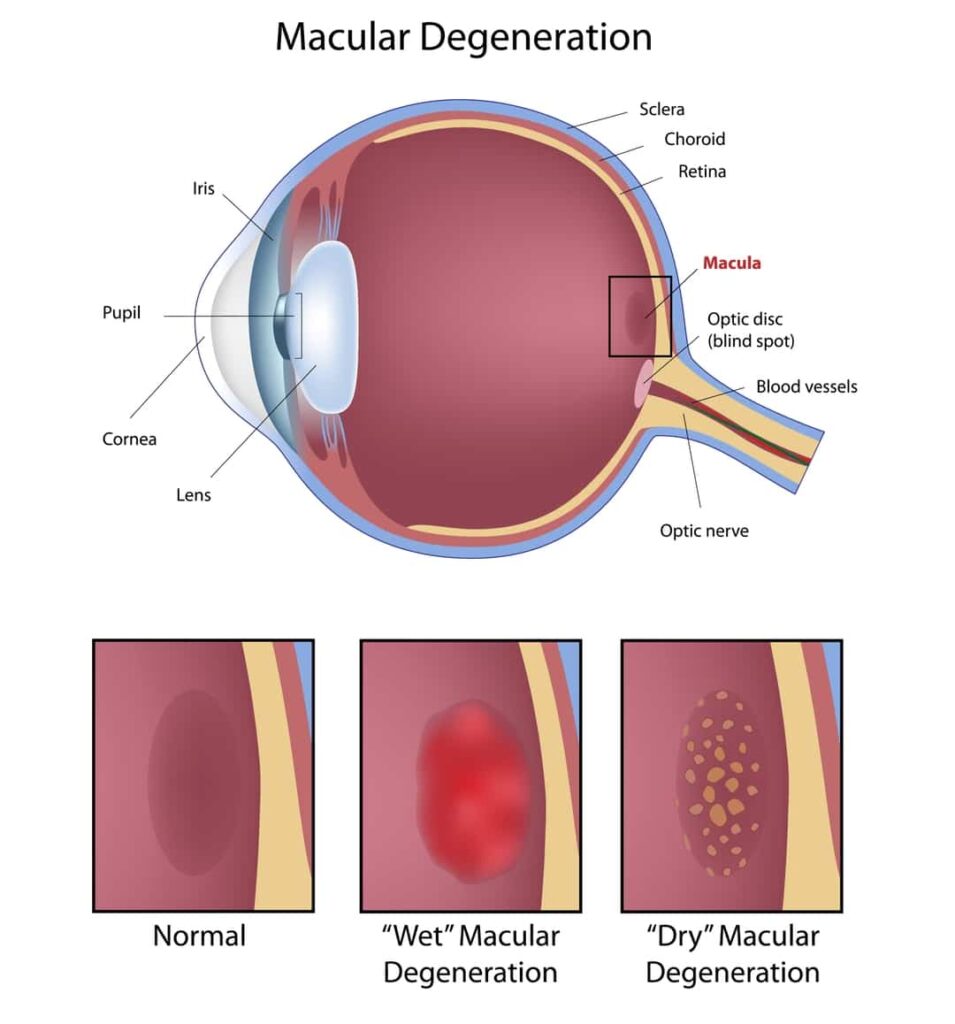
AMD is a progressive disease that affects the macula, the center part of the retina, which then affects your central vision. Early stages may not show any outward symptoms.
There are two types of AMD.
Dry AMD: the more common form, involves thinning of the macula and the buildup of small deposits called drusen, resulting in gradual vision changes.
Wet AMD: a less common but more advanced form, occurs when abnormal blood vessels grow beneath the retina and leak fluid or blood, causing more rapid and severe vision loss.
Early stages of AMD often develop without noticeable symptoms, which is why regular eye exams are critical.
Progressed AMD Symptoms:
Early stages of AMD often develop without noticeable symptoms, which is why regular eye exams are critical.
At Chico Eye Center, we use advanced diagnostic technology to detect AMD in its earliest stages, including:
These tests are quick and non-invasive, allowing us to identify subtle changes in retinal function and structure—often years before noticeable vision loss occurs.
Why early detection of AMD matters:
Macular degeneration currently has no cure, but early diagnosis and the right treatment can help slow progression and preserve vision. At Chico Eye Center, we offer personalized care based on the type and stage of AMD.
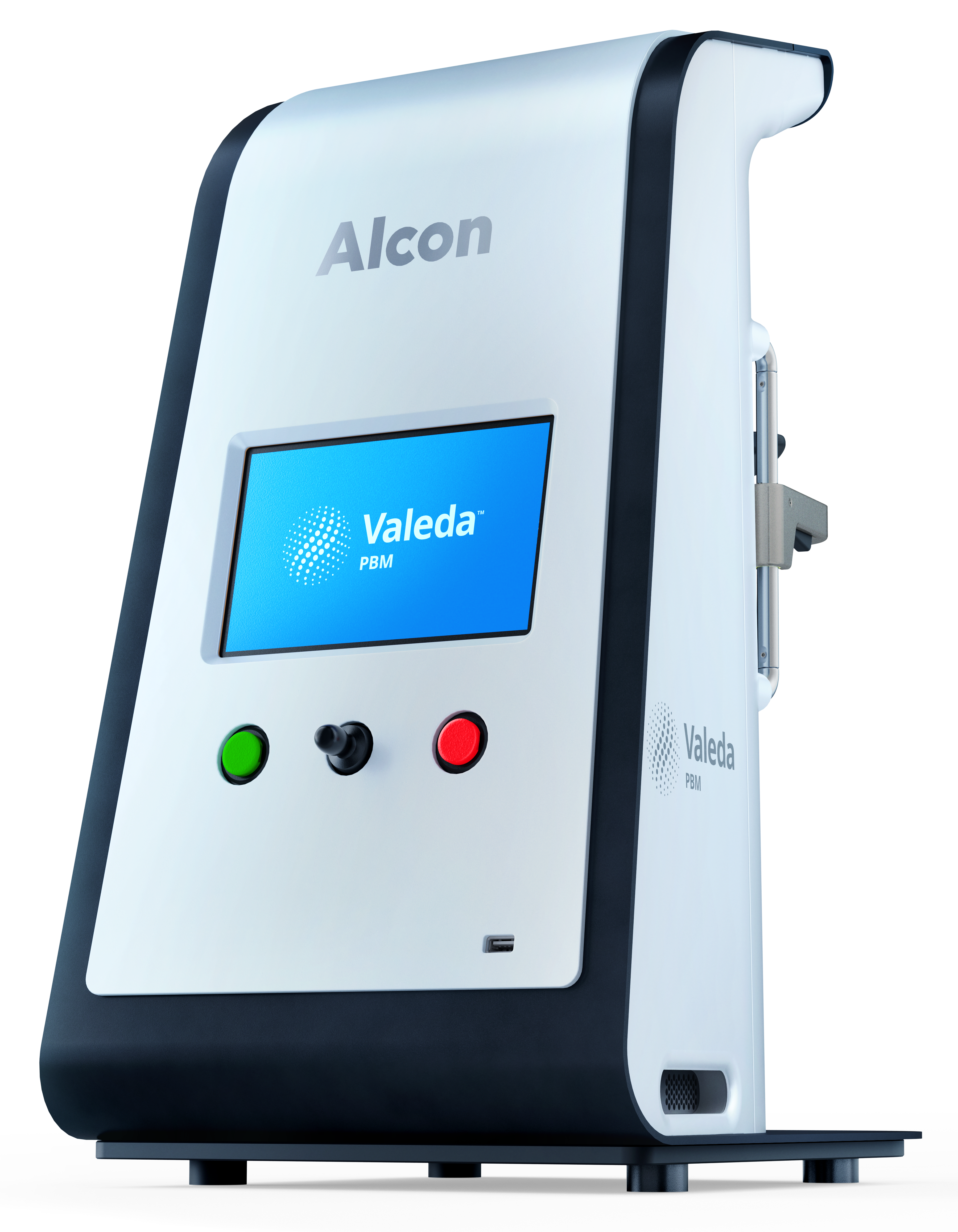
For dry AMD, we provide Valeda® Light Delivery Therapy, an innovative treatment designed to improve visual function. Nutritional support, including AREDS2-based vitamins with antioxidants, zinc, and lutein, may also help reduce the risk of progression.
For wet AMD, treatment often includes intraocular injections to control abnormal blood vessel growth and protect vision, sometimes combined with laser therapy. Even with treatment, some vision changes may occur, but low vision resources and assistive devices can help patients maintain independence and continue daily activities.